Project Description
Public Dialogue: Lowland Peat Landscapes in England
The challenge
England’s lowland peat landscapes cover around 250,000 hectares, an area roughly equivalent to the size of Dorset or Luxembourg. They include areas such as the Cambridgeshire Fens, Somerset Levels and Lancashire Mosses. These are some of England’s most productive and distinctive rural landscapes, supporting farming and local economies.
Managed and drained for agriculture over centuries, they now sit at the centre of some of the most important land use and water management questions facing England. Today, these places face growing pressures associated with food production, water management, climate change, biodiversity loss and economic resilience. Future decisions about their management will involve balancing multiple objectives and interests. Doing nothing is not a neutral option.
Why public dialogue?
If we are considering potential changes in these landscapes, it is important to understand how the people who live in these areas think about those changes. Defra already engages extensively with farmers, land managers, and researchers. This deliberative research project provides an opportunity to hear from a broader cross-section of the public living in lowland peat regions.
What will the dialogue explore?
The dialogue is focused on the future of lowland peat landscapes and the possibility of change. Participants will explore different future options and consider what forms of change they see as fair, realistic and desirable. They will discuss questions relating to food security, water availability, flood risk, carbon emissions, nature recovery and local economies, and consider how these priorities might be balanced in the future. Through these discussions, participants will develop and test different visions for the future of lowland peat landscapes, reflecting on the social and cultural changes that might be needed to achieve them and the implications for local communities.
How will it work?
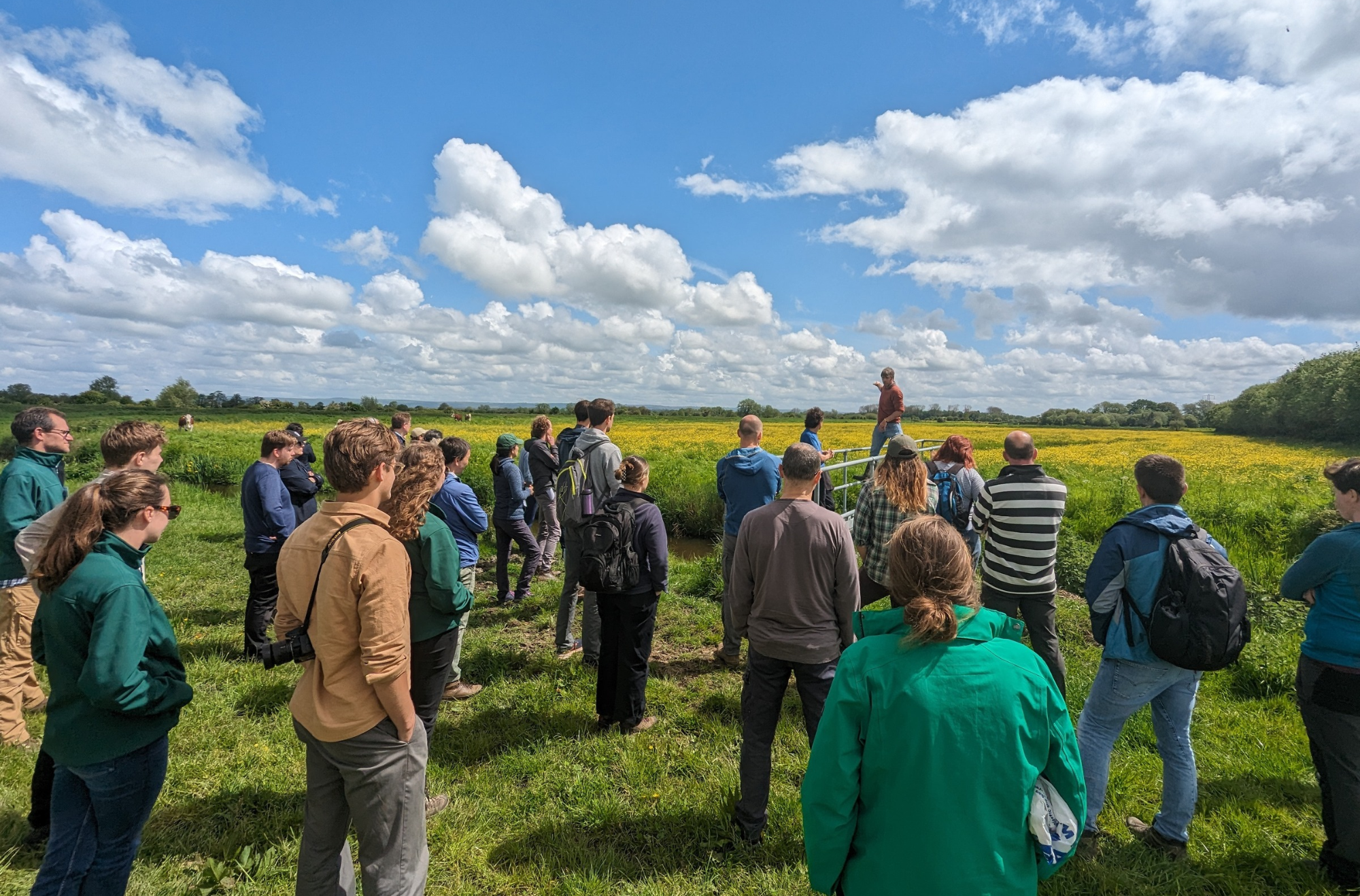
Commissioned by Defra, the deliberative research will be delivered by Ipsos, with support from Sciencewise. Through workshops, site visits and discussions with specialists and stakeholders, participants will explore the challenges and opportunities facing lowland peat landscapes and develop different visions for their future. The project has been designed to allow time for in-depth analysis of the discussions, alongside the production of high-quality reports and other outputs for different audiences.
How will the findings be used?
The findings will help Defra improve current delivery, test assumptions and strengthen the evidence base for future decisions about lowland peat landscapes.
Dialogue Materials
Materials will be published here as the dialogue progresses.