To ensure transparency as well as quality, Sciencewise commissions an independent evaluation of every dialogue it supports. It also has an independent monitoring, evaluation and learning partner to support the overall programme. We’re currently evaluating our programme, and if you’d like to contribute please complete our survey here.
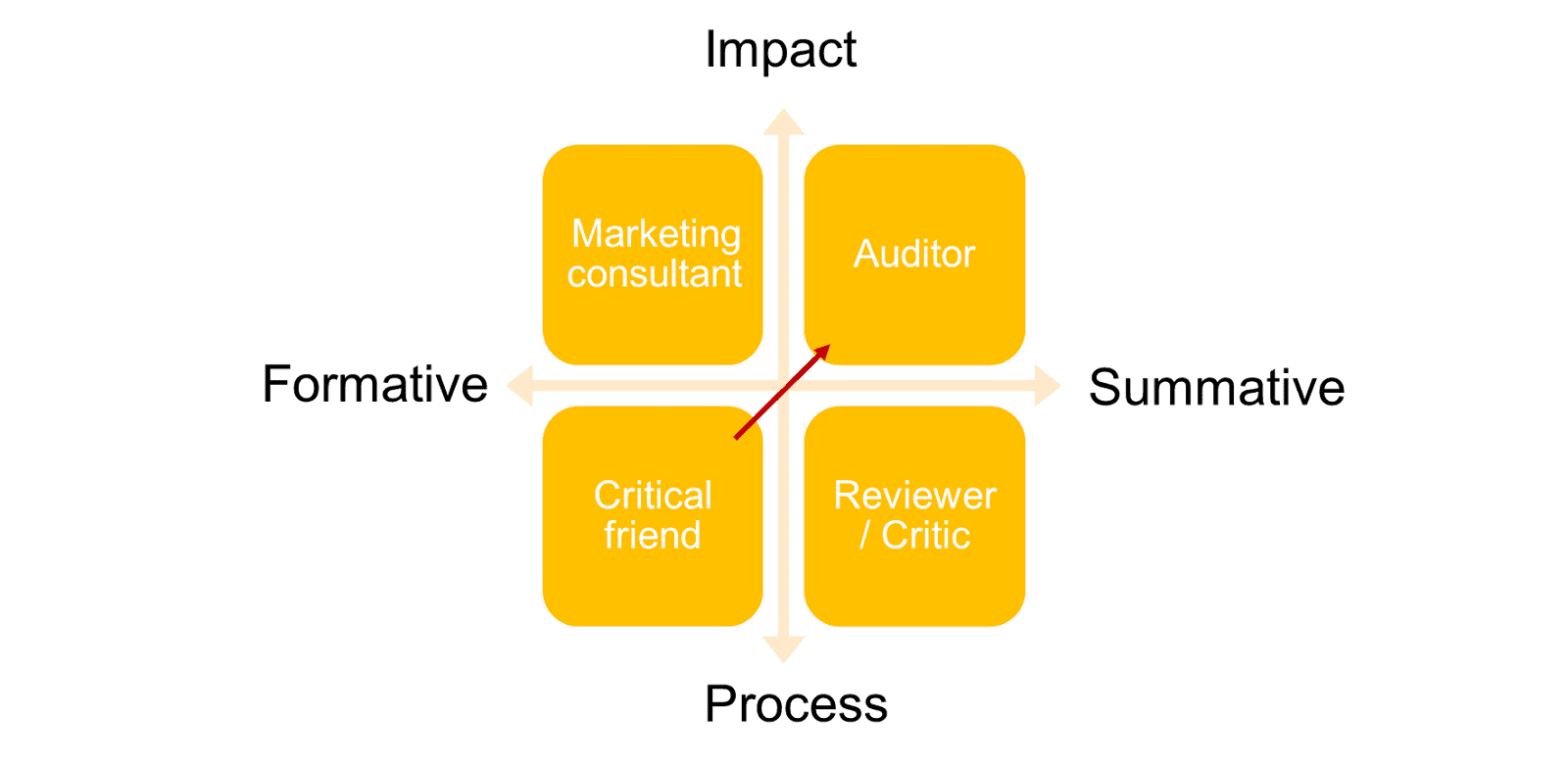
The evaluations that Sciencewise commissions are both formative and summative: they aim to support the projects to be as good as they can be, while also providing a record of what was delivered. The evaluations also explore both process and impact – what the team did and what impact it had. Rather than act as a reviewer or critic, the evaluator typically starts as a critical friend to support the delivery of a good process, and moves into the role of auditor to capture the story and identify the impact as the project progresses.
There are a number of reasons for conducting evaluations, including:
- Credibility: Having an independent evaluator helps to assure Sciencewise and users of the dialogue findings and that each dialogue is delivered to a high standard.
- Improvement: Another set of eyes so that potential risks or issues are identified and addressed early on, supporting projects to be the best they can be.
- Evidence: Sciencewise evaluations are completed 6 months after the dialogue report is published to allow time to identify evidence of emerging impacts.
- Encouragement: Having an evaluation in place also encourages organisations to follow through on commitments made.
- Learning: By compiling lessons learned across the project evaluations, the programme can ensure it is building on this learning and contributing to an evidence base of best practice in public dialogue.
Being a critical friend and then objectively evaluating the impact of a project offers significant advantages: the project most likely to benefit from the evaluator’s insight is the one that’s underway, as concerns can be addressed in real time. Without proper safeguards, there are potential risks of the evaluator ‘marking their own homework’, but provisions can be put in place to minimise these concerns.
Evaluation is important and done well can add value, both for the project and for the sector. Sciencewise has been collecting evidence of impact for 20 years but there is always more work to be done to build a comprehensive evidence base of the impact of dialogue. There are some great case studies, but for many projects the impact is long-term, dispersed and challenging to measure, especially when the ambition is to bring about societal impact. If you have any stories of the impact the programme has had on you or your organisation, please do complete our evaluation survey here. The survey will close on 14th November 2025. We look forward to hearing from you.