Author: Katie Weeks, Sciencewise Programme Director
Like many in this sector, I’ve been reflecting on the results of the latest Public Attitudes towards Science survey since it was published in January. What is it telling us about what people think about science and scientists and are there trends we need to be urgently addressing?
There are of course many ways to view the data, and it uncovers both opportunities and challenges for science and science engagement. It reminds us that scientists are in the privileged and somewhat unique position of being highly trusted by the UK public. While levels of trust in the UK government are very low – less than 30% – trust in scientists is much higher. 87% of respondents trusted scientists working for universities to follow the rules and regulations of their profession.
But – and there is always a but – this survey saw a broad pattern of more people neither agreeing nor disagreeing than previous ones. Whether that is down to uncertainty or ambivalence is not clear. It also shows worrying signs that young people are more negative about science in general, and fewer people feel informed about science despite (or perhaps because of?) the increase in ways of accessing information.
It’s easy to look at the numbers and think you understand the picture. However when I get too bogged down in the details I have to remind myself that this is a survey – it’s a snapshot of opinions at a particular moment in time and doesn’t necessarily illuminate why people feel that way.
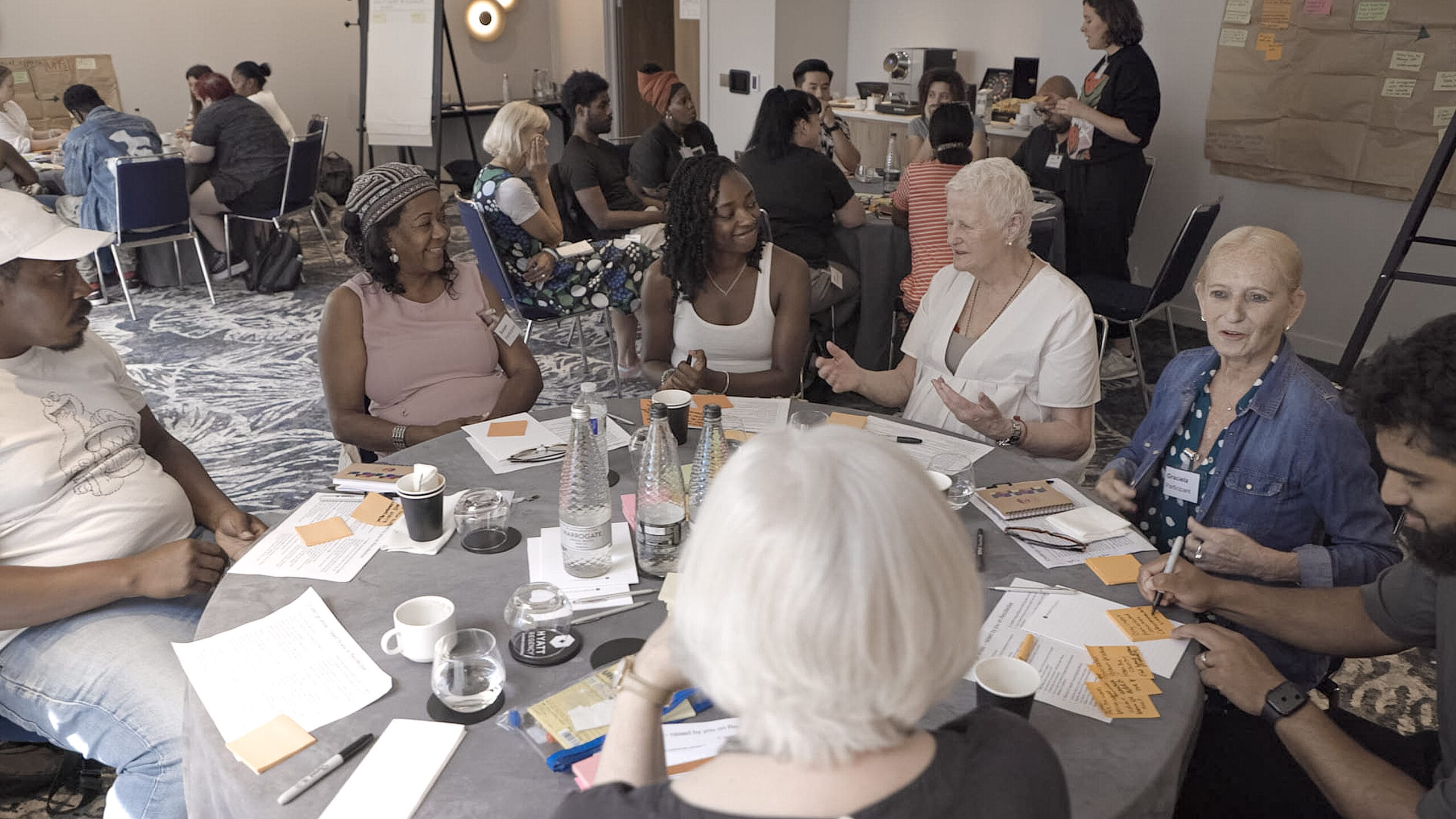
And that’s where public dialogue and programmes like Sciencewise play a role. Because it’s not just knowing what people think that matters, but why they think that and how they reached that opinion.
Knowing what people think, and in particular changes of opinion over time, in such a broad and varied area as ‘all of science’, is key to identifying the areas that could really benefit from deeper dialogue and understanding. Many organisations are doing great work in identifying areas to focus on and diving deep into the reasons behind the statistics, and Sciencewise plays its own part by supporting dialogues into individual areas of science and technology.
Public participation in decision-making
There are also certain questions from the UKRI survey that are particularly relevant for Sciencewise as they relate to the idea of public participation in government decisions on science and technology.
The majority of respondents (62%) felt that the government should act in accordance with public concerns about science, however this is significantly down from its peak of 81% in 2005, perhaps reflecting an increased ambivalence in involvement.
More people want public involved in decisions about science and technology than they feel are currently involved, with just 12% agreeing that the public are sufficiently involved. Three-quarters (76%) think government makes little or no effort to consult public on science. Just under half (46%) agreed that the views of the public and the views of experts should be jointly considered when making decisions around science. Here though the demographic breakdown matters, with young people more likely to disagree than older people and those with high science capital also more likely than average to disagree. The reasons for the disagreement – whether those groups want more or less representation of the public than suggested in the question – is hidden, and an example of an area where understanding the why might change the approach.
It’s good news that in general the public want the government to involve them in decisions on science and technology. Except that they want an amorphous, generalised ‘public’ to be involved, and there are far fewer individuals who are willing to be involved. A third (35%) want to know the public are involved but don’t want to be involved personally and only 9% said they would like to be actively involved in decision making about science.
Science has a challenge in common with any sector that requires people to volunteer their time, from the local school’s parent association to national climate assemblies. Increasing public participation cannot be addressed by simply increasing the numbers taking part. People want to know that people like them are being consulted and involved in government decisions on science and technology, but they don’t necessarily want to be the ones doing it.
Many are looking at this challenge too, and there aren’t quick fixes on how to address this disconnect. But we can continue to shout about what we do. Work together as a sector. And always, always look for the why.