
By Professor Anne Ferguson-Smith
Executive Chair, UKRI Biotechnology and Biological Sciences Research Council
Food matters to everyone. It is essential to our health, our culture, our economy and our environment. That is why it is so important that we engage with people when determining where to focus our research efforts – and why our publication of the Making Sense of UPFs public dialogue report matters so much.
Today, ultra-processed foods (UPFs) dominate our diets, accounting for an average of 56% of the calories we consume – a figure that rises to 68% in adolescents. While certain studies indicate a correlation between high UPF consumption and poorer health outcomes, we still do not fully understand what underpins this association and whether it is direct or indirect.
That gap between what we eat and what we know is precisely what prompted UKRI, through our Sciencewise programme and in partnership with the Food Standards Agency, to commission this landmark public dialogue.
A year-long journey
I want to extend my sincere thanks to the 132 participants from across the UK who invested their time and lived experience in this process. These participants did an excellent job of telling us where UK research should focus and we are grateful.
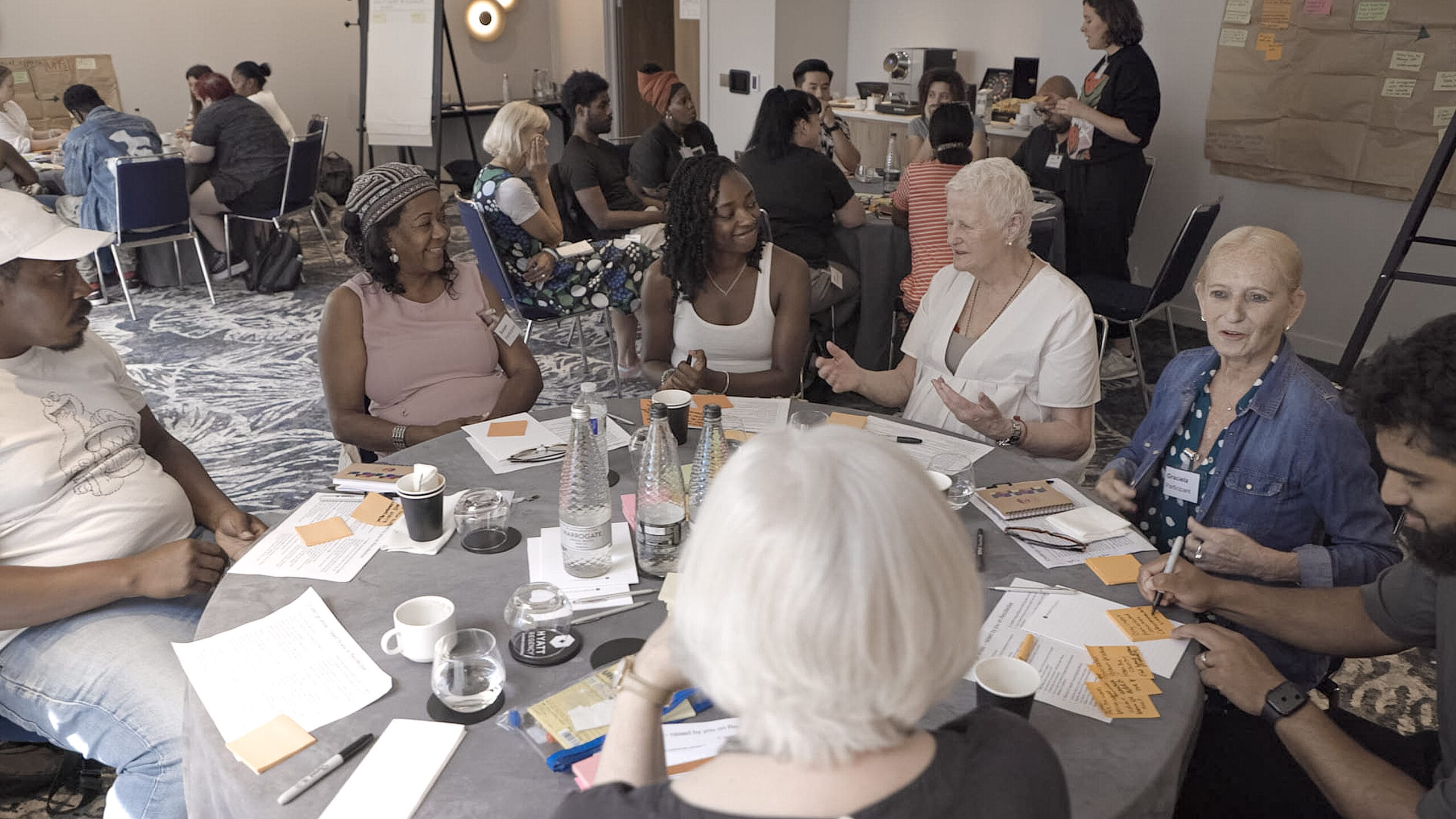
Over more than 18 hours of structured deliberation, from Kirkcaldy to Newham, Belfast to Taunton, they heard evidence from 18 specialists, visited their local high streets to see first-hand how UPFs are sold and marketed and reflected carefully on what they had learned. The final workshop produced 95 top research priorities across all locations – distilled from 322 research ideas overall – providing a clear direction of travel.
Over the course of this dialogue, participants moved beyond headlines to engage deeply with the science, ethics and systemic drivers of our modern diet and the role of UPFs. That journey was not always straightforward. Most participants started with limited awareness of what UPFs actually are.
As they learned more, many felt alarmed. But rather than stopping there, they went further, grappling with the complexity of the evidence, the real trade-offs between convenience and health and the structural forces that shape what people can realistically choose to eat.
What the public wants from research
The public’s mandate is clear and bold. Participants want research to understand how and to what extent UPFs impact health, with a particular focus on possible biological mechanisms and impacts on child development. They also want to understand how UPFs affect the environment in terms of primary production.
Beyond that, they identified a strong need for behavioural research – to understand why people eat UPFs and what would genuinely help them make different choices – and for structural research, exploring the food system factors that drive the regulation, production and consumption of these products.
Underpinning everything was a clear set of principles: research must be transparent, independent and focused on public benefit.
Participants also had firm views on who should do this research. They placed their greatest trust in publicly funded, independent scientists and academics. They were sceptical of industry-led messaging and concerned that market forces – rather than the public interest – have too much influence over the food system and the information we receive about it.
What this means for UKRI
UKRI’s role is to provide the best possible evidence to inform UK policy. Working across our themes and research councils, we will ensure these findings feed into our research priorities and programmes. We are committed to building on all existing evidence, including these dialogue findings, to answer the questions that matter most to society.
We support research that is independent of industry, which in this case could include research on the biological mechanisms of how UPFs impact health, but also collaborative research with industry, which may include reformulating products once we have a clearer evidence base.
What we do know is that addressing the complexities of the food system requires a collective partnership between the research and innovation ecosystem, government, NGOs, industry and the public.
UKRI is uniquely positioned to convene those stakeholders and we are committed to leading this multidisciplinary effort to ensure our food system promotes both human and planetary health.
This dialogue is a beginning, not an end. I encourage you to read the full report and engage with its findings.