Author: Lewis Wooding, Head of Insight in the Behavioural Science and Insights Unit at the UK Health Security Agency.
Vaccines save lives. They are one of the most effective public health interventions we have, protecting individuals, families and communities from serious disease. Behind every vaccine sits a complex system involving public bodies, researchers, manufacturers and regulators. Government regulates this system on behalf of the public but it’s the private sector that predominantly develops and manufactures vaccines. This collaboration can bring clear scientific, health and operational benefits, but can also raise important questions about how partnerships are formed and what they encompass.
The UK Health Security Agency’s (UKHSA) responsibilities include overseeing the National Immunisation Programme in England, responding to health threats from infectious diseases and preparing for any future pandemics. The agency works with the Medicines and Healthcare products Regulatory Agency (MHRA), Department of Health and Social care (DHSC) and NHSE England, and the vaccines industry to ensure vaccination programmes are safe, effective and trusted. It works with industry to support the development and evaluation of new vaccines, ensure supplies are available, including when there are disease outbreaks, and in order to be ready to respond to potential future pandemic threats.
To understand public views on how UKHSA and the vaccines industry work together and inform how the agency can make its collaboration with industry as beneficial as possible, UKHSA is launching a new public dialogue, delivered in partnership with Sciencewise.
What the dialogue will explore
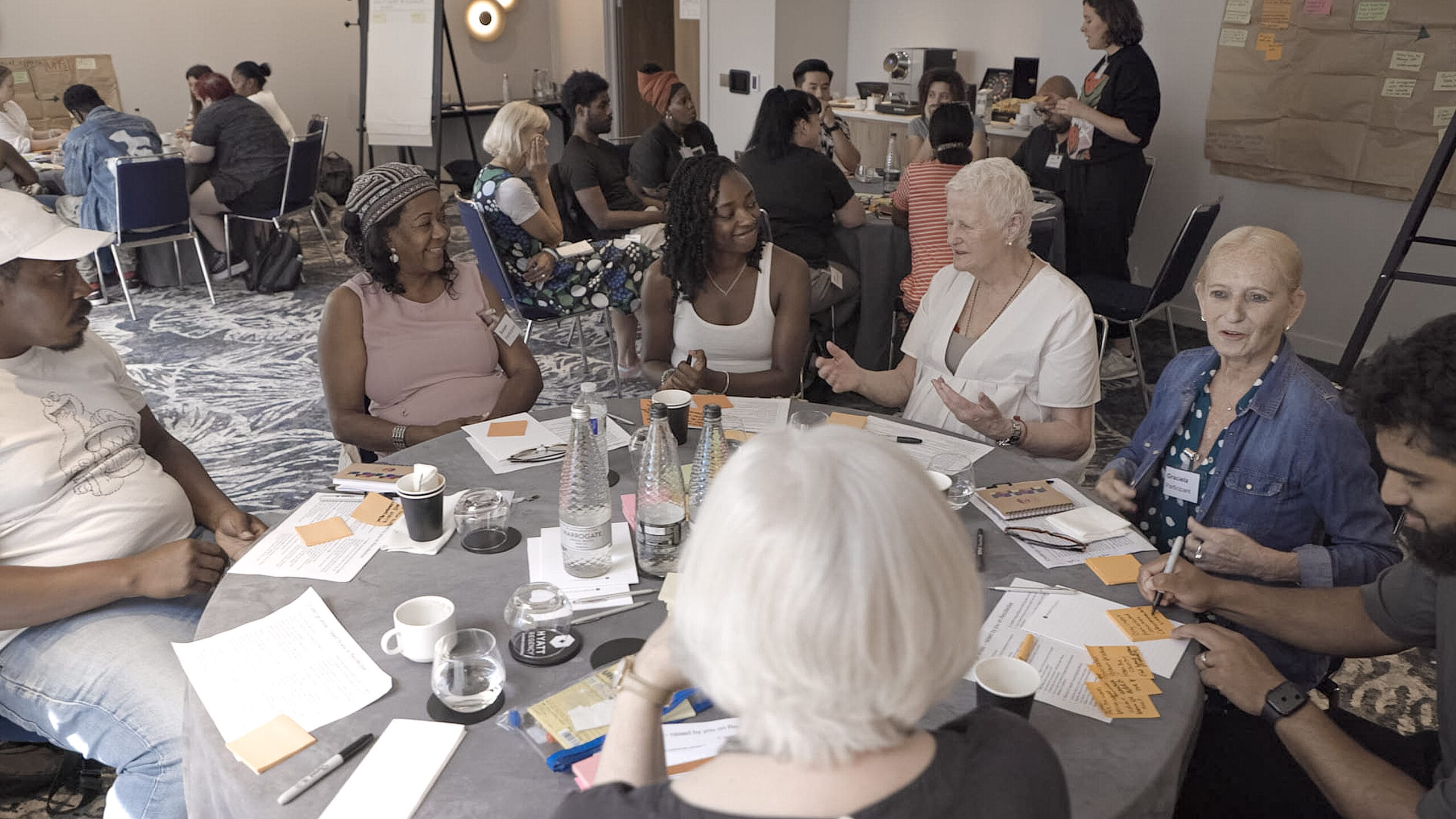
The dialogue, delivered and designed by Thinks Insight & Strategy and The Social Agency, will bring together people from across England to deliberate on questions including:
- How do people understand UKHSA’s role in the vaccine system, and its relationship with industry?
- What factors influence trust when UKHSA works with the vaccines industry?
- What safeguards, principles or conditions would help make collaboration feel beneficial, transparent and accountable?
- What makes collaboration feel more or less acceptable to the public, and why?
The aim is to move beyond initial reactions and create informed, reflective discussion, supported by balanced evidence and opportunities to hear from specialists with different perspectives.
Inclusion and equity at the core
The dialogue has been designed to engage people who are often under–represented in public dialogue and research, who are more likely to experience poorer health outcomes or are from communities with lower vaccine uptake.
Alongside a core public dialogue, there will be additional opportunities for discussion among participants from communities with lower vaccine uptake with shared experiences or characteristics, as well as outreach activity led by a Lived Experience Advisory and research Panel (LEAP). LEAP members will help shape the dialogue, not only drawing on their own lived experience but also by speaking with people in the communities within which they are embedded. This will ensure the LEAP gather a range of perspectives and experiences beyond those likely to engage in a traditional dialogue and feed those views into the design.
How the dialogue will work
The dialogue will involve several stages:
- Scoping and design, including desk research and interviews with specialists from public health, academia, industry, community organisations and people with lived experience.
- Deliberative workshops, bringing together around 100 members of the public in a structured, multi–stage process that allows time for learning, reflection and discussion.
- Inclusive engagement, informed by the LEAP members and their community outreach and including creation of additional opportunities away from the main dialogue for discussions with participants from communities with lower vaccine uptake.
- Analysis, bringing together insights from across all strands of engagement.
Sophie Reid and Ellie Mendez-Sayer will be the independent evaluators involved throughout to assess the quality and impact of the dialogue, in line with Sciencewise’s principles.
What will come out of the dialogue?
The aim of the dialogue is to support UKHSA decision makers when collaborating with industry. It will aim to enable the consideration of public attitudes, benefits and impacts on public trust alongside other factors such as clinical evidence, wider government policy, scientific advancement, cost-effectiveness and broader ethical and legal considerations, and alongside existing rulebooks such as The Blue Guide.
The programme will also produce a public report, plain‑English summaries for participants and communities, and learnings about how to involve people fairly and meaningfully in discussions on complex and sensitive topics.
A commitment to transparency
From the outset, the dialogue will be transparent about its purpose, how contributions will be used, and how findings will be shared. Participants will be kept informed about how their views are shaping the work, and an advisory Oversight Group – convened jointly by UKHSA and Sciencewise – will provide independent challenge and guidance throughout.
Looking ahead
Collaboration between public bodies and industry will continue to be an important part of the vaccine landscape. The dialogue can help shape how it happens, and whether it aligns with public expectations.
By engaging people directly, listening carefully to diverse perspectives, and supporting co-production of outputs, this dialogue aims to support future thinking about how UKHSA collaborates with industry.
We hope that the findings will also be useful to wider government and cross-sectoral actors within the health system. The deliberative and co-creation approach will foster dialogue between public, healthcare professionals, government and industry stakeholders, promoting mutual understanding and innovative models of collaboration that are responsive to public expectations.
Preparatory work and stakeholder engagement are now underway. The dialogue and evaluation will run through 2026 and early 2027, with a final report expected in Spring 2027.