How often do you think about the atmosphere?
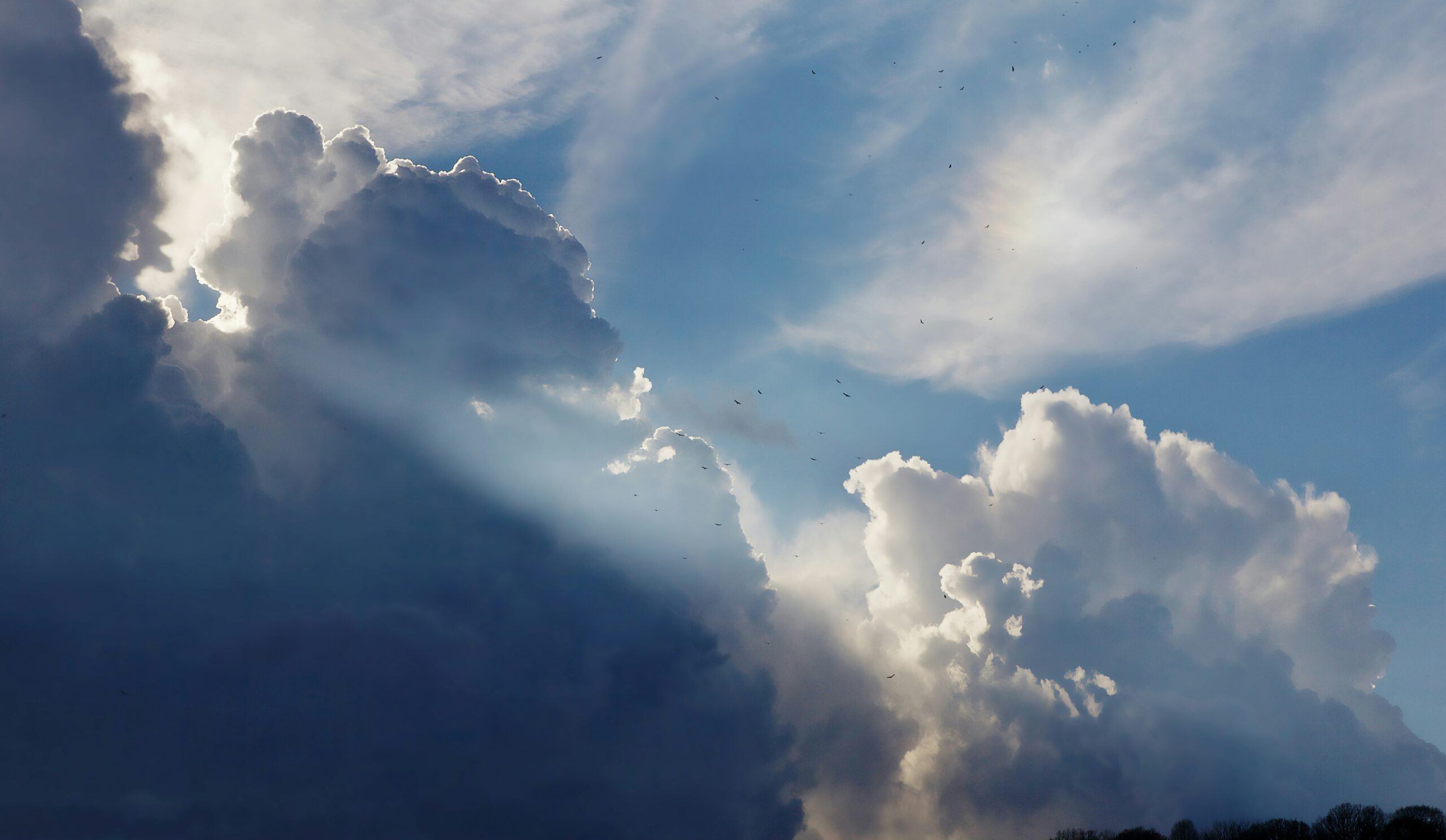
Probably not very often. Yet we experience its effects every day. It is there in the air we breathe, the weather outside our windows and the conditions that influence where we build our homes and how we produce our energy.
Atmospheric science research helps us understand all of these things. It covers exploration into the Earth’s atmosphere, including our weather and climate, air quality and pollution, and how these interact with natural and urban environments and our health.
That can sound quite abstract, but atmospheric science has very real applications, from forecasting hazardous weather, to modelling the future climate our infrastructure may need to cope with.. Studying wind patterns can inform where wind energy might be generated most effectively, and Atmospheric research can even contribute to our understanding of how particles containing viruses and bacteria move through the air.
So, what should we research next?
The Natural Environment Research Council (UKRI-NERC), part of UK Research and Innovation (UKRI), invests public funding in world leading environmental research that advances our understanding of the natural world and helps society respond to environmental challenges.
As part of UKRI’s strategic approach and new strategy launched in summer 2026, NERC is reviewing its areas of research and considering future opportunities for atmospheric science.
There are many sources of evidence that can help us think about those opportunities. Scientific expertise is essential, as are perspectives on government priorities and the wider research landscape.
But there is another voice that I believe needs to be part of that conversation: the public.
That is why, with Sciencewise, we are undertaking a public dialogue as part of a wider consultation on the future of atmospheric science research.
Why ask the public?
Members of the public bring something different to conversations about research.
They don’t necessarily look at atmospheric science through the lens of a research discipline, funding programme or organisational strategy. Instead, they bring their experiences of the places where they live, the challenges they encounter and the things that matter most to them.
If research is intended to contribute to outcomes that affect people’s lives, I believe people should have opportunities to contribute to conversations about that research from an early stage.
There is another important reason for doing this. NERC invests public money in environmental research. Being a responsible funder means listening to different perspectives from those who fund our work, about the challenges and opportunities people believe research should help us understand.
Public dialogue doesn’t mean asking people to make scientific decisions, nor does it mean that research priorities will be set by public input alone. It means recognising that informed public judgement, grounded in lived experience, is a valuable form of knowledge, and making space for it alongside other evidence.
The same atmosphere, but different experiences
One of the questions I am particularly interested in exploring is whether people’s perspectives differ depending on where and how they live.
Do people living in coastal communities think differently about atmospheric science from people living in towns and cities? What about rural communities? Are people’s priorities different at local, regional, national and global levels?
Read more about the dialogue below

We shouldn’t assume we already know the answers.
The dialogue will explore what people understand atmospheric science to be, how they see it connecting with their everyday lives and which issues matter to them. We also want to understand what shapes people’s awareness and perceptions of atmospheric science.
Atmospheric science isn’t always easy to picture. Air pollution may be one of its most recognisable areas because people can readily connect it to places, health and everyday experience. But atmospheric science is much broader. An important part of the dialogue will be exploring that breadth together before considering what matters to them and why.
Creating the conversation together
Members of the public will take part in a series of online and in-person discussions, where they will start with what atmospheric science means for them, before learning about different areas of atmospheric science in more detail in order to have more informed discussions about the issues together.
Hopkins Van Mil, who are delivering the dialogue, is also creating a co-design group involving people who have previously participated in NERC public dialogues on environmental science. The group will help shape elements of the resources and how some of the discussions are framed.
What happens to what people tell us?
Importantly, the conversation won’t end when the workshops finish.
The findings from the dialogue will become part of the wider evidence NERC is gathering about the future of atmospheric science research. This evidence will be presented to NERC’s Science and Innovation Committee, which will consider the findings before making recommendations to NERC about the future of this area of research.
The public dialogue won’t provide the answer on its own, But without it, we risk having a conversation about research that could affect people’s everyday lives without hearing directly from the people who experience those impacts.
What would success look like?
When recommendations about the future of atmospheric science are developed, I want us to be able to see how public insights and perspectives have contributed to the evidence and informed our thinking.
I believe there is real value in giving people a voice within research and innovation. Done well, public involvement can help people engage with science, build confidence in contributing to conversations about research, and understand how their voices can contribute to future research directions.
But it also helps us, as a funder, to listen.
We don’t yet know exactly what members of the public will tell us. That’s the point.
Rather than deciding what matters to people, we’re creating the space to ask them.