Read all about the findings, and the dialogue process, in our commissioner blog from BSIT.
The Department for Business, Innovation, Science and Trade (BIST), commissioned a public dialogue on the governance of engineering biology with Sciencewise. This was the first time that the UK Government engaged the public on engineering biology as a broad topic area for over five years.
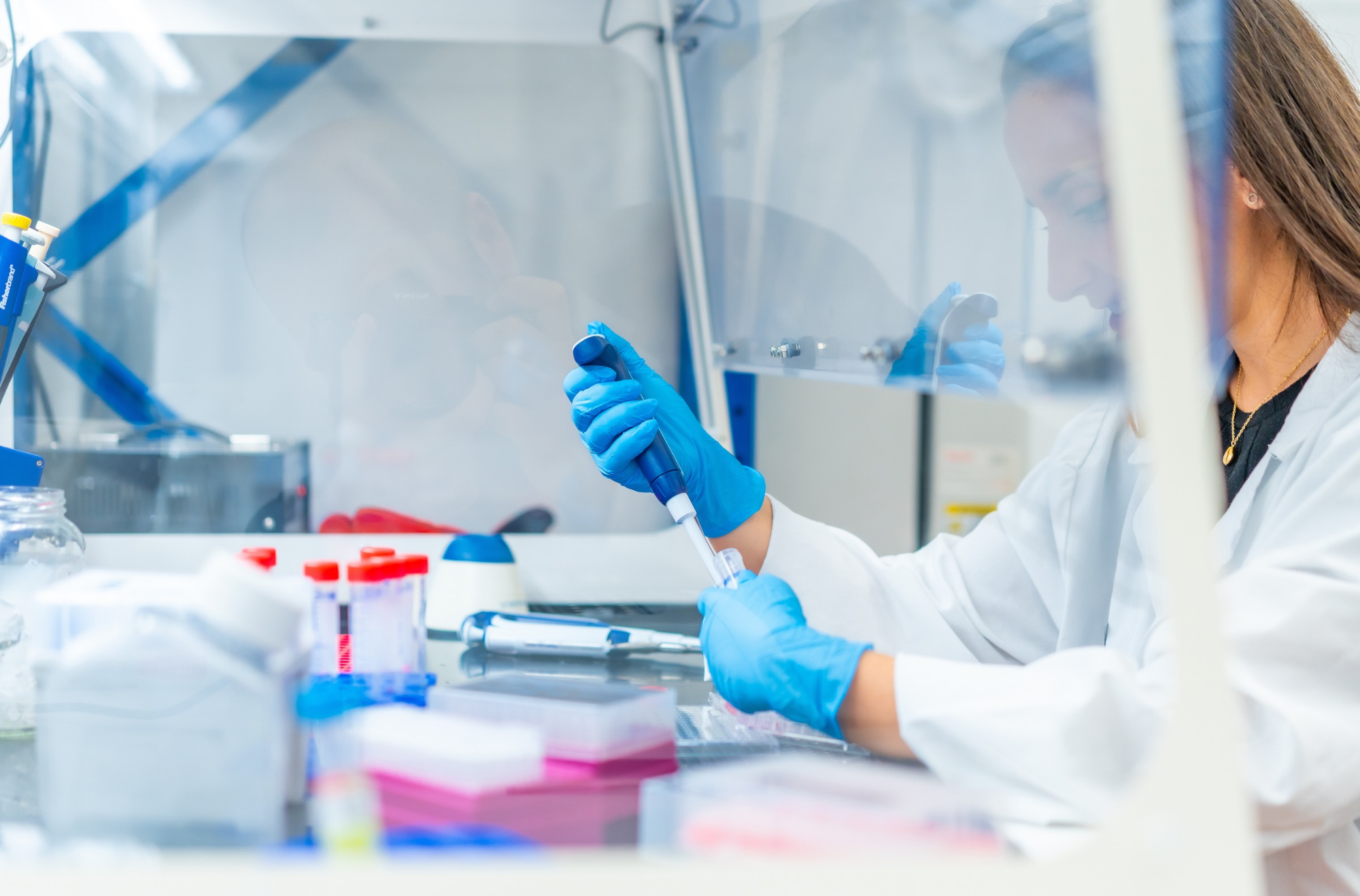
Engineering biology holds potential to unlock economic growth, drive productivity, support net zero goals and enhance economic security. It can transform sectors or produce existing products more sustainably. For example, in healthcare, breakthroughs include gene therapies, advanced vaccines, and lab-grown organs, and in agriculture and food, engineering biology helps develop disease-resistant crops.
Why now?
The Government is committed to ensuring public values shape the exciting development of engineering biology and its potential to drive economic growth and solve societal challenges. It is vital that public voices, are part of the conversation on the direction of engineering biology policy and regulation, and that decision making reflects public values.
How did we approach it?
This dialogue looked at five engineering biology application areas: health; food and agriculture; chemicals and materials; waste and the environment; and low carbon fuels.
Participants were asked to explore four main themes in their deliberations:
Hopes and concerns for engineering biology, including the role that participants think the public should play in its ongoing governance;
- The overarching principles they believe should guide the governance of engineering biology;
- How participants define responsible innovation in engineering biology in practice, and what they consider is needed to ensure that trust is built;
- The extent to which they think there should be red lines on engineering biology innovation.
Participants brought a wider variety of different experiences and priorities to the discussion. Rather than treating disagreement as a problem, the dialogue made it possible to explore why people see an issue differently and what might be learned from that.
The dialogue did not set out to reach a consensus among participants, or to steer their individual views on specific applications or their outcomes. Its purpose was to provide an opportunity for people to come together, share their perspectives and explore the issues that matter to them. We took all contributions seriously and considered how they might influence future thinking, decisions and action.
What did we find?
Across all application areas, participants expressed a great deal of hope, excitement and enthusiasm for engineering biology. They saw it as a way of addressing some of society’s biggest challenges, including climate change, food insecurity, pollution and plastic waste in the environment, ill-health and the cost of living. They wanted scientists, researchers and government to be ambitious and bold to realise these benefits.
However, this hope was accompanied by concern and a clear need for engineering biology to anticipate and prevent unintended consequences. Participants share a desire for a new and better model of governance, one that is both robust and flexible enough to ensure engineering biology brings genuine improvements to people’s lives.
The fundamental principle for participants was that engineering biology should benefit people and the planet. Building on this, participants set out what good governance of engineering biology should look like. Participants want governance that:
- Responds flexibly to the fast pace of innovation, while being willing to stop developments that are not working or pose serious risks;
- Learns from past failures, such as those relating to plastics, vaping, social media and water pollution, so that potential harms are anticipated and prevented;
- Ensures that the UK benefits from its own investment in engineering biology, rather than UK scientific and researcher ideas being scaled up and profited from elsewhere;
- Is planned and funded over the long term, independent of the electoral cycle;
- Is overseen by a collaborative, independent regulatory body that is not funded by those with a stake in engineering biology;
- Is honest, transparent and open, including about uncertainty and when things go wrong;
- Has clear lines of accountability, long-term monitoring against meaningful goals, and routes for the public to raise concerns;
- Is connected internationally, recognising that biological organisms are not limited by country borders;
- Is tailored to each application area, with the most stringent regulation for applications that act on the human body or could affect the wider environment.
For the most part participants came to the dialogue knowing little or nothing about engineering biology, and many had never heard the term. Some felt daunted or overwhelmed at the start by the breadth of the topic. Over the course of the workshops, many were surprised to realise how much they had already encountered engineering biology in everyday life. They were struck by how wide-ranging its applications are, and by the scale and urgency of the challenges it might help to address.
Impact
The government has recognised engineering biology as a frontier technology in the industrial strategy, and in December 2025 the UK government confirmed a £644m allocation for Engineering Biology through the spending review.
BIST will now use the dialogue’s evidence to shape policy, funding, governance, engagement and regulatory decisions, building trust and supporting responsible innovation in engineering biology. The Ministerial foreword in the dialogue report reflects government’s commitment to do this. BIST is also working across other departments and regulators to disseminate the findings and ensure they’re considered. This includes working closely with UKRI on their engineering biology programmes.
BIST has begun publicising the dialogue. Officials have spoken about it at the BBIA Bio-finance Summit, the Environmental Biotechnology Innovation Centre Conference and international engagements. BIST will continue to work with the wider engineering biology community and stakeholders to amplify the findings and encourage them to consider how the findings could influence their work.
Find out more
You can find out more about this dialogue and its findings on the Engineering Biology project page
You can also read about the National Vision for Engineering Biology here
Hear both specialists and participants talk about their experiences of the dialogue in action below:
More Sciencewise work on Engineering Biology
For related Sciencewise work, you can look at the 2009 – 2011 Synthetic Biology public dialogue undertaken with the Biotechnology and Biological Sciences Research Council (BBSRC) and the Engineering and Physical Sciences Research Council (EPSRC). This explored public attitudes towards the development and use of synthetic biology.